Non-Destructive Testing for Water Treatment Plant Rehabilitation

Non-Destructive Testing for Water Treatment Plant Rehabilitation

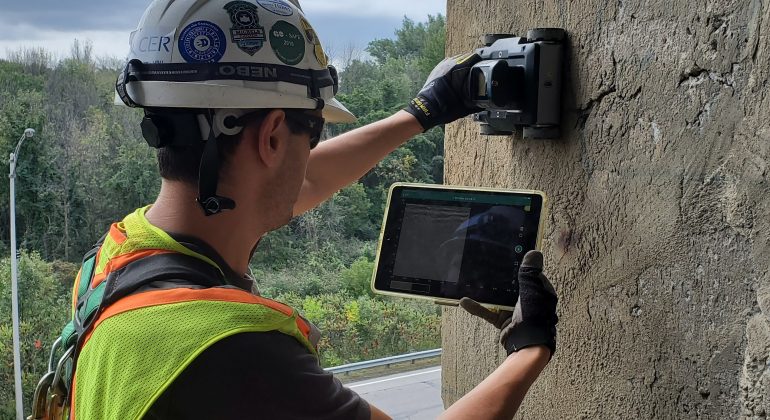
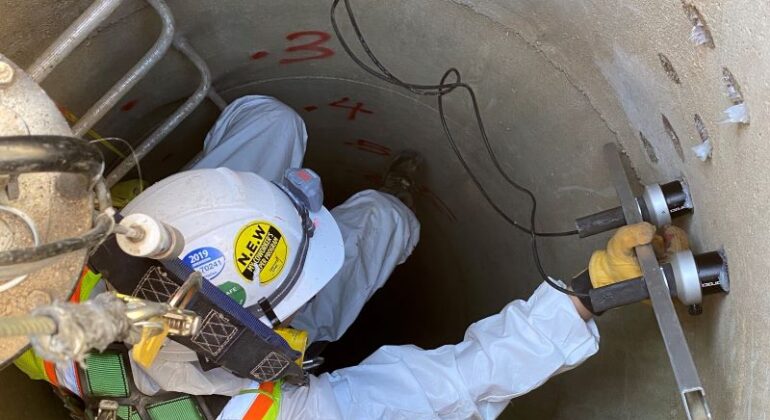
This article explores the applications and advantages of Non-destructive Testing for Water Treatment Plant Rehabilitation projects across Canada. Water and wastewater treatment facilities are critical infrastructures that ensure public health and environmental protection (read more). In Canada, many of these facilities are aging and require regular assessments,

Read More
3 Methods for Evaluating Pile Length in Existing Foundations

3 Methods for Evaluating Pile Length in Existing Foundations

As Canadian cities evolve and densify, one engineering challenge resurfaces over and over: How can we confidently assess the length of existing piles and deep foundations when documentation is missing or incomplete? This question is particularly important during rehabilitation, retrofitting, or underground construction (e.g., tunneling) near existing

Read More

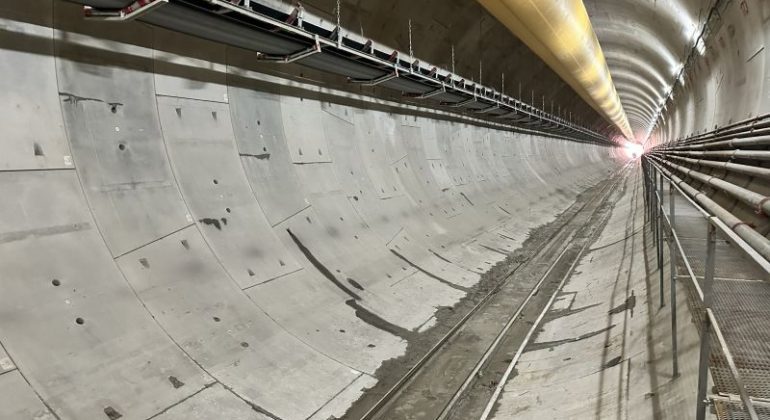
Non-destructive Evaluation for Precast Concrete

Precast concrete elements are usually manufactured and cured in a controlled environment. This controlled process results in high quality and consistency of the end products. However, construction errors, formwork issues, and damages during transportation and installation can impact the quality, and integrity of these precast elements. Non-destructive

Read More

Detecting Corrosion in Post-Tensioned Structures

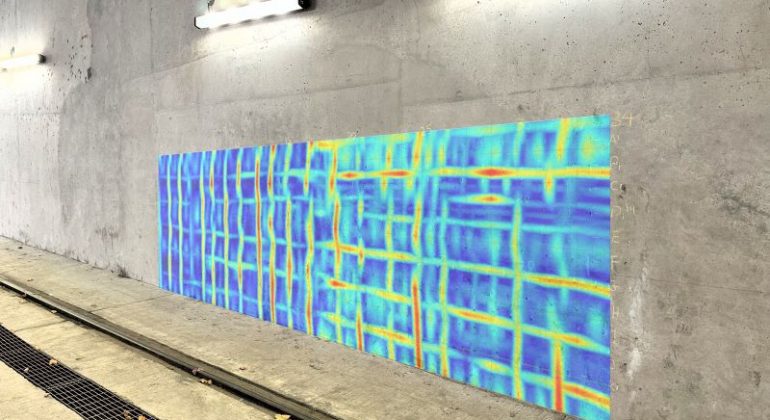
Detecting Corrosion in Post-Tensioned Structures: Non-Destructive Evaluation Methods In this article, we will explore how non-destructive testing (NDT) and evaluation methods help structural engineers and construction managers in detecting corrosion in post-tensioned structures. By using a multi-technology approach that includes Ground Penetrating Radar (GPR), Ultrasonic Pulse Echo

Read More