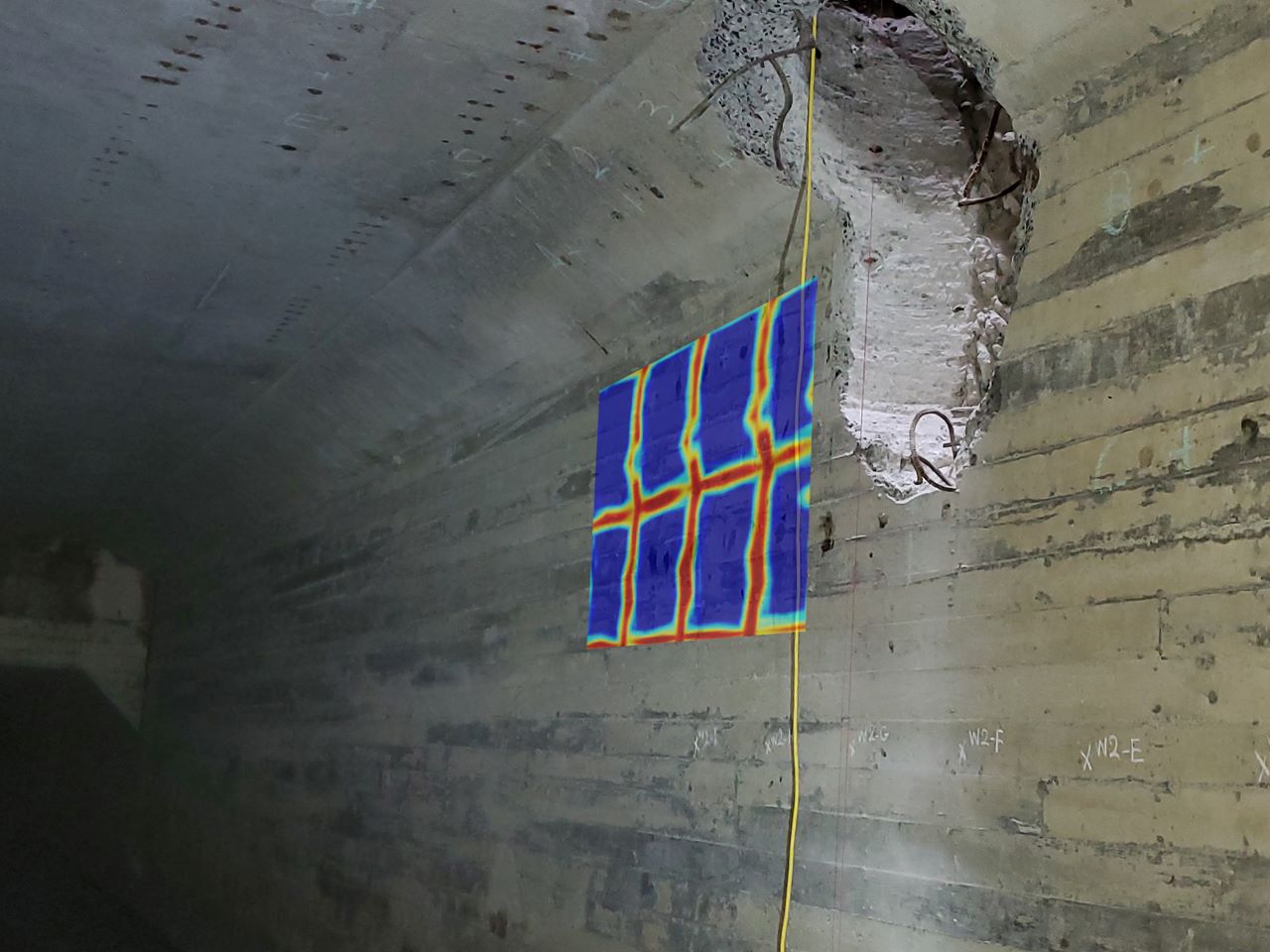
Nondestructive Evaluation of Culvert

Inspection and Condition Assessment of Culverts

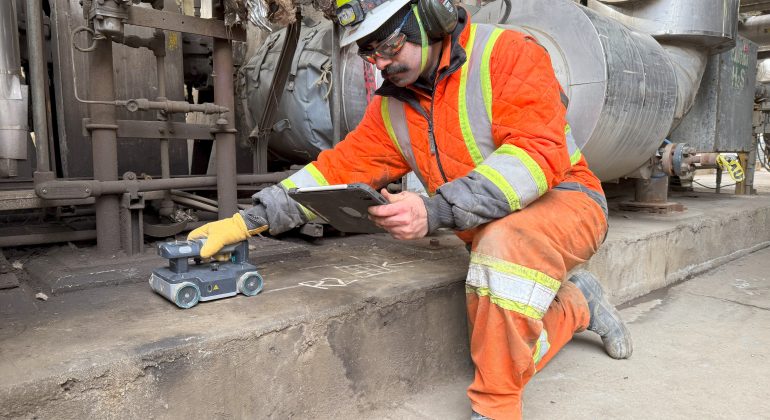
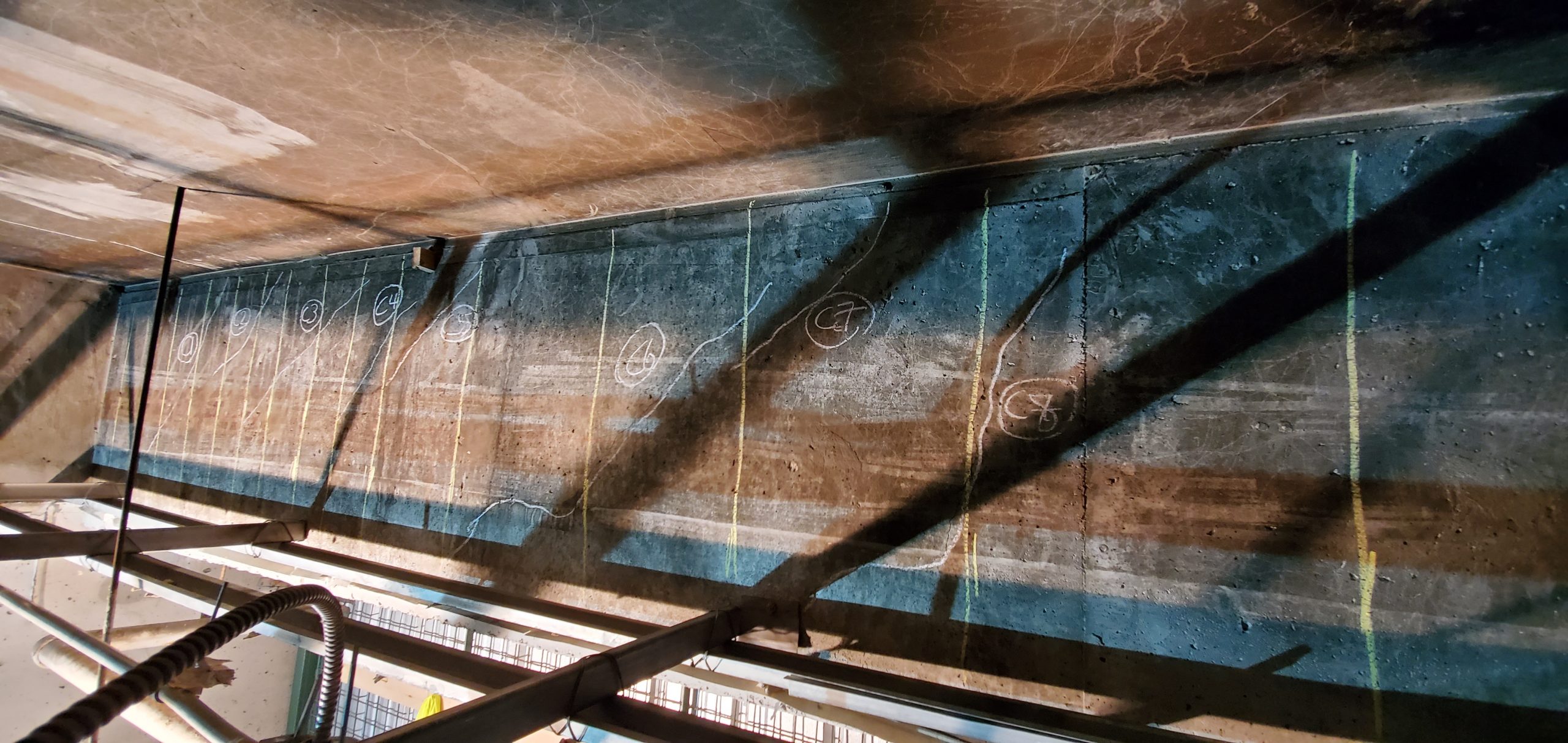
This article describes non-destructive testing (NDT) applications and evaluation in the inspection and condition assessment of culvert structures. Depending on their particular application, concrete culverts can be exposed to water, wastewater, and other chemicals. This can result in the deterioration of culverts during their life cycle. Non-destructive
Read More
Nondestructive testing of concrete tanks (1)

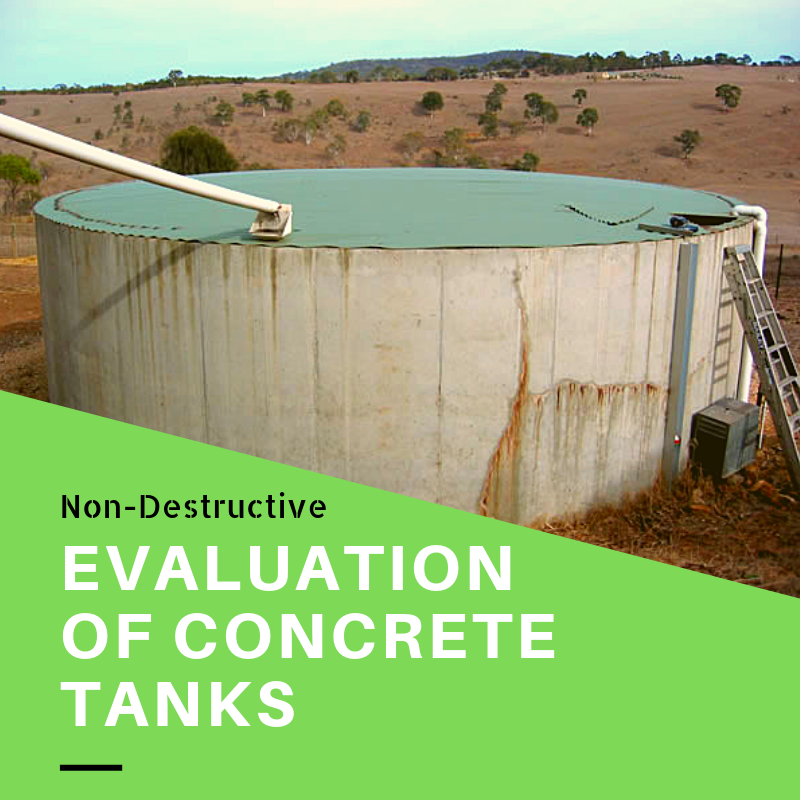
Non-Destructive Testing of Concrete Tanks

This article describes the applications of non-destructive testing (NDT) and evaluation in the inspection and condition assessment of Concrete tanks. Depending on their particular application, concrete tanks are exposed to water, wastewater (sewer), and other aggressive chemicals. This can result in deterioration of concrete during its life

Read More

How to Scan Concrete using GPR?

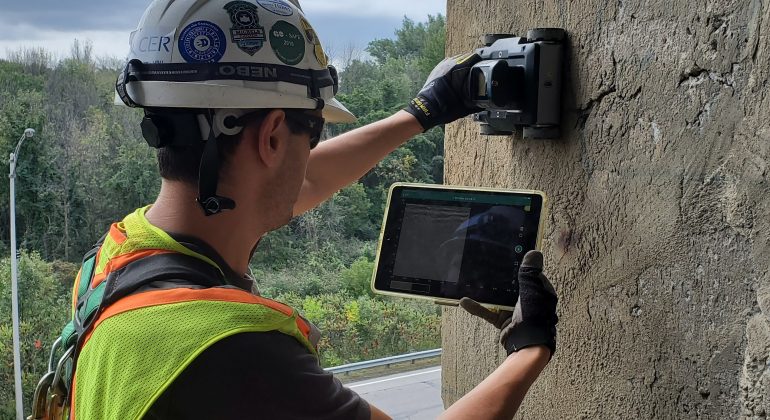
Ground Penetrating Radar (GPR) is one of the most widely used non-destructive test methods for concrete structures. In new construction, GPR can be used to identify the location of rebar and conduit to minimize the risk of damage during core drilling and saw cutting. In existing structures,

Read More

Precautions for Cold Weather Concreting

Extreme cold weather conditions can significantly affect the quality of concrete, as well as its mechanical properties. In cold weather concreting, one should make sure that all the negative impacts of low ambient temperature are appropriately alleviated by taking the necessary precautions. In this article, we will

Read More
FPrimeC - Non-Destructive Evaluation - GPR in Structural Assessment

How to use GPR in Structural Assessment?

How to use GPR for Structural Assessment? A multi-technology approach using different Nondestructive Testing (NDT) technologies is becoming the new standard in structural condition assessment. Ground Penetrating Radar has proved to be an effective method in collective key information about the structural details, however, this interesting technology

Read More
Applications of Nondestructive Testing for Concrete Construction

Applications of Nondestructive Testing in Concrete Construction

Nondestructive Testing have great applications in the concrete construction industry. It helps designer, construction engineers, and contractors the ability to verify the quality and integrity of built structures, identify and quantify potential defects, and record as-built condition like never before. The author has several years of combined research

Read More
Non-Destructive Evaluation of Concrete Structures

How to Test Concrete Using Impact-Echo ?

Introduction to Impact-Echo In this article, we will briefly review how to test concrete using impact-echo method. Impact Echo is an advanced non-destructive testing (NDT) method for evaluation of thin concrete and masonry members. Impact-Echo method works based on the use of stress waves. The test method

Read More
Ultrasonic Pulse Echo

Ultrasonic Pulse Echo Tomography for Concrete

In this article, we will review an interesting category of ultrasonic test methods for concrete inspection and testing: Ultrasonic Pulse-Echo (UPE) is widely used for the inspection of concrete elements. The method has proven to be extremely useful in determining the thickness of concrete elements with one

Read More
Inspection and Evaluation of Concrete Beam

Non-Destructive Evaluation of Cracking in Concrete Beams

In this article, and presentation, we are going to describe using non-destructive evaluation of cracking in concrete beams. The main reasons behind cracking is discussed. A systematic approach for evaluating the current condition of the beam is presented. Certain features of concrete cracks, such as the crack

Read More

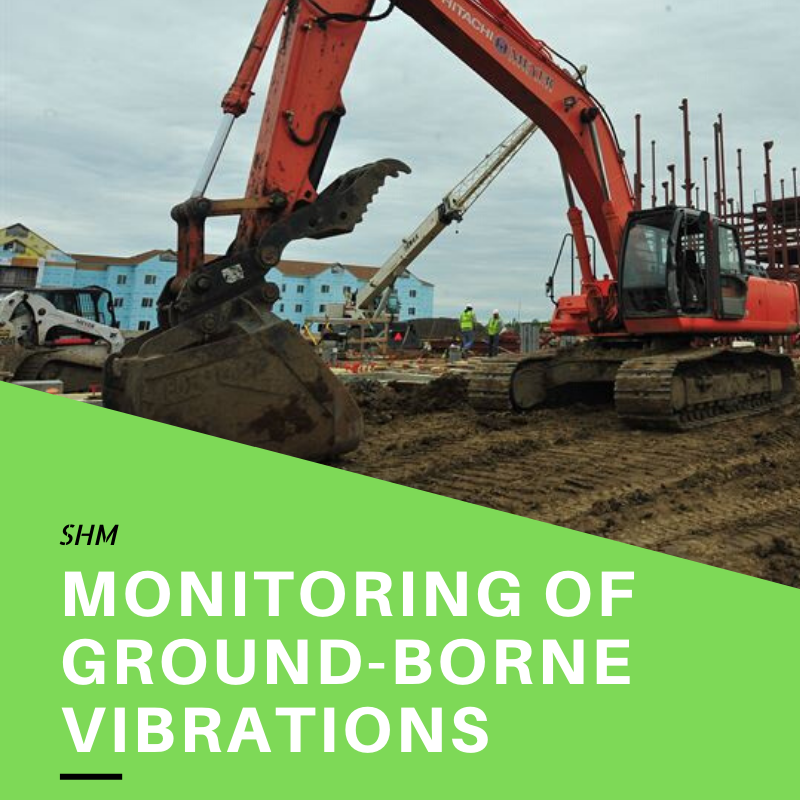
Monitoring of Ground-Borne Vibrations from Construction and Demolition

Ground-Borne Vibration can be a serious concern for any building or structure within or adjacent to a construction zone. These structures may be potentially impacted by vibrations emanating from construction activities such as demolition, compaction, excavation, blasting, pile-driving, and operating heavy earth-moving equipment. In extreme cases, the

Read More